
Introduction:
The Evil Within may be regarded as a game that attracted much publicity when it was released in 2014 due to its brutal difficulty, shocking imagery, and psychological narrative. The game was developed by Tango Gameworks and directed by the legendary game creator Shinji Mikami, and was an attempt to revive the spirit of the traditional survival horror with the addition of new gameplay elements. A period where most horror games were moving towards action-packed experiences, The Evil Within has tried to make a comeback to the tension, fear, and resource management of the golden age of survival horror. The game had its weaknesses, even though it was not without criticism. Other players also complained that the controls were clumsy, the pace was not even, and the technical performance was not consistent on some platforms. Nevertheless, despite said shortcomings, the game has gained a cult following. The unstable world of it, haunting designs, and unpredictable story made a strong impression on horror fans. To a large number of players, it marked one of the biggest efforts to bring back the spirit of genuine survival horror in the modern gaming period. There is a horror revival today in the gaming sector with classic horror remakes. Resident Evil 2, Resident Evil 4, and Dead Space are some of the titles that have demonstrated the success of returning to a favorite horror title with updated technology. Not only do such remakes make the legendary games available to the new generation, but they also enable developers to improve and enrich the initial experience. Considering this pattern, a lot of fans reckon that The Evil Within will be an ideal subject for a remake in the modern version. Having better graphics, finer mechanics, and further narrative, a remake could turn an experience that is already a good horror one into one that truly stands out. The original idea of the game, the frightening world, and the psychological content have huge potential. Re-creating this nightmare using modern technology might make the experience another dimension higher. Now, we will discuss the 10 reasons why The Evil Within should be remade in the modern era and how it would transform the survival horror genre.
1. A Modern Remake Could Fully Realize the Game’s Terrifying Vision
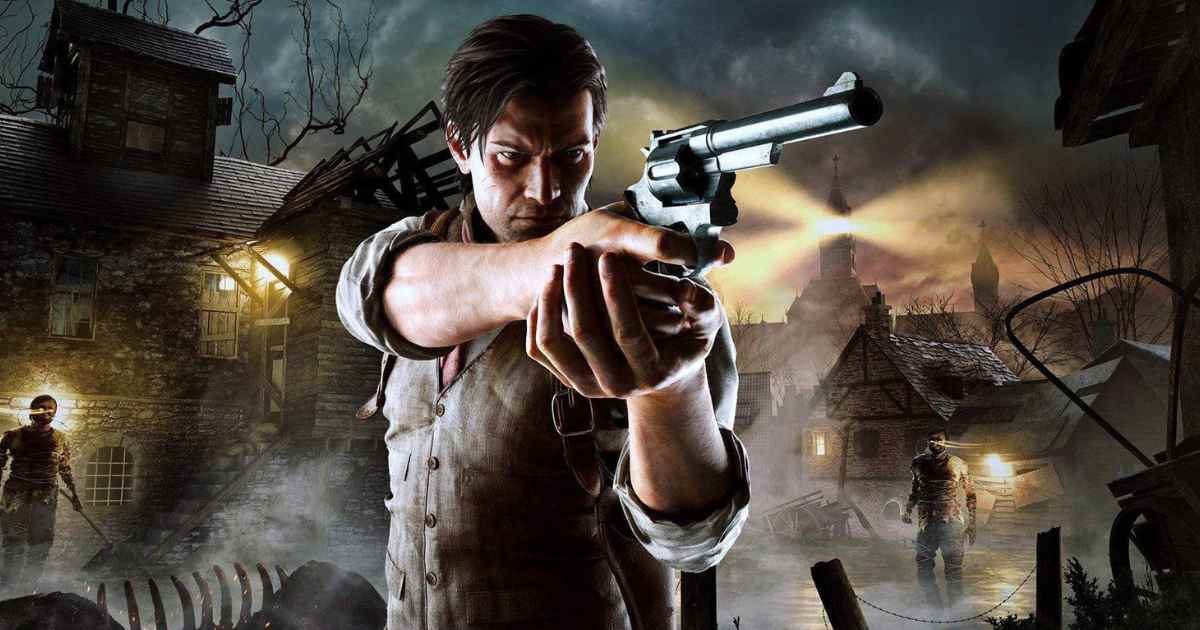
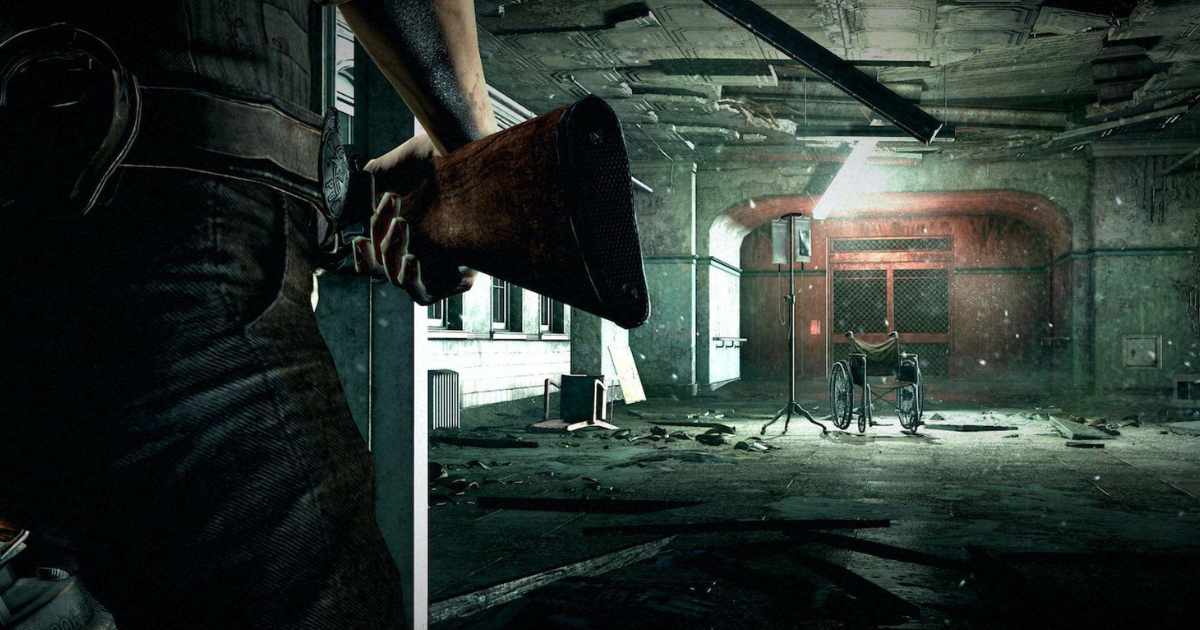
At the time of the initial release, The Evil Within presented the players with a frightening, unstable nightmare world that was constantly swapping realities with a psychological horror. The settings of the game were deliberately disorderly, with grotesque visuals, crumbly buildings, and bizarre, dreamy visuals that made the players ask themselves what was real and what was a part of the disturbed mind realm. This was also one of the most original features of the game, which made it stand out from the rest of the survival horror games of that time. But the creators did not have enough time to exploit the horror potential of this world owing to the technological constraints of the hardware at the time of its release. Though these settings were atmospheric in nature, most of the visual effects did not have the depth and realism that the current gaming technology can bring about. A remake based on game engines of the present generation may make this nightmare landscape impressively better, with every dark passage, every destroyed structure, and every frightening creature becoming more realistic and lifelike. Walking the rejected asylum corridors with hyper-realistic lighting, throwing very long shadows on blood-stained walls. The latest volumetric mist, dynamic lighting, and environmental physics would allow each room to come alive with fear. Minor details of the environment, like flickering lights, faraway motion, and changing structure, may ensure that the players are in a constant state of unease. It would be possible to make the world more interactive, with the objects being responsive to the movement of the player and the environment dynamically changing to support the psychological horror themes. Environmental storytelling is another area that could be enhanced by a remake. The initial game featured scattered documents, files, and subtly placed visual hints that gave some indication about the hideous experiments and events that occurred within the game world. These elements of storytelling might be a lot more immersive with modern technology. The interactive objects, animation effects on the environment, and flashback of the visuals may provide the players with a better understanding of the deformed world they are in. The remake would also allow the developers to go to even greater heights with the surreal horror. The original game also had some instances of the environment changing abruptly and changing between one horrific place and another in the course of a second. This could increasingly be a smoother shift with the graphical power and level design tools that are more advanced and more shocking, bringing out the psychological tension. Finally, a remake would enable the original creative interpretation of the game to be reached in its entirety. The world that Shinji Mikami and colleagues at Tango Gameworks made so disturbing is finally able to be shown in detail, as well as in the atmosphere and immersion that it rightfully deserves.
2. Improved Gameplay Mechanics Could Enhance the Survival Horror Experience
The Evil Within was a survival game with very dramatic gameplay. There was always a lack of resources, and players had to be very careful about their movements and think about the battle tactically. This method has effectively re-created the tension and vulnerability many of the fans have linked to traditional titles of survival horror. Nevertheless, all these strong points did not eliminate a certain level of criticism of the gameplay mechanics that were deemed to be old-fashioned or clumsy. Movement of characters was sometimes stiff, and aiming systems were not as precise as possible. The shots and the responsiveness of the camera, in some cases, rendered fighting less frightening than annoying. These problems did not entirely spoil the experience, but they occasionally broke the immersive horror experience that the game was attempting to achieve. The remake can also fix these problems and still maintain the difficulty of survival that made the original game so addictive. The new movement systems would be able to enable movement through the environments with less difficulty, without losing the slow pace that adds to the tension of the game. Better animations and physics-driven motion may help make the actions of the characters more realistic and reactive. The fighting game could also be greatly improved. The initial game had several weapons, such as pistols, shotguns, a sniper rifle, and the most famous crossbow weapon, which enabled the player to build various kinds of bolts. These weapons might have more customization options and more sophisticated aiming systems in a remake. Through skill trees, players may be able to upgrade weapon attachments, fix stability, or gain new tactical abilities. The other aspect that can be improved is the stealth system. Stealth was significant to save resources and avoid unwarranted battles in the original game. Nonetheless, the stealth controls were a little primitive compared with the contemporary standards. Remake would have more sophisticated stealth technology, and the level of hiding could be made more effective, and could distract the enemy as well as use objects within the environment to stay hidden. Another distinctive gameplay element that made encounters more tense was the traps. Players were able to deactivate traps that were littering the environment and use the pieces to create their own defensive items. A remake might elaborate on this system by adding new traps, dangers of the environment, and innovative solutions to deal with the battlefield. With an updated set of gameplay rules and remaining faithful to the philosophy of survival horror, a remake might provide a more enjoyable, smoother, and more strategic experience to both new and returning gamers. You can also get some more information on the Steam official website.
3. Enhanced Enemy AI Could Make Encounters More Terrifying
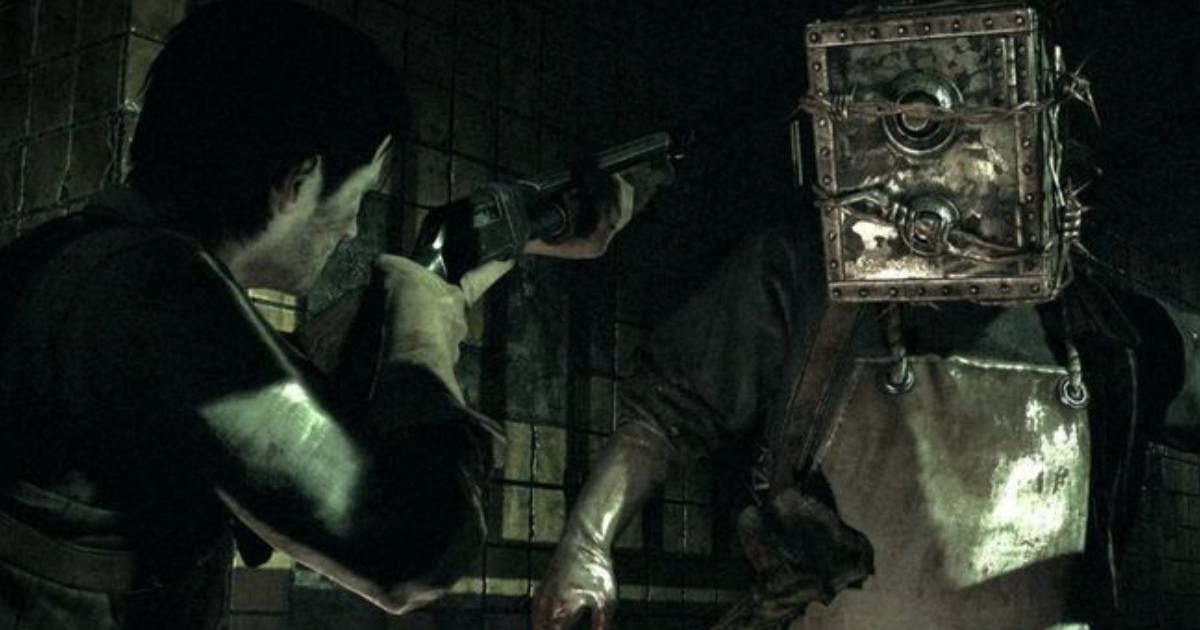
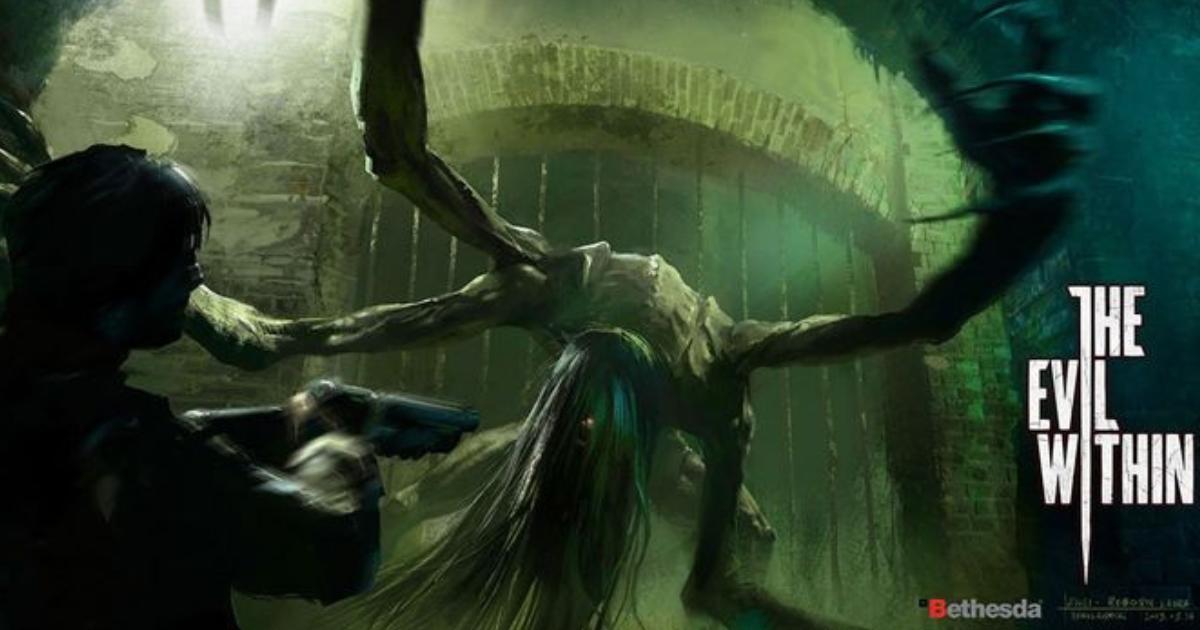
The Evil Within had some of the most frightening designs of enemies that were memorable. The game exposed players to hideous monsters called the Haunted, as well as some disconcerting bosses that challenged players to their utmost. These are enemies that were aesthetically disturbing and tended to be unpredictable, and played a great role in making the game overall fearful. The original game may have made the artificial intelligence of certain enemies in the game seem somewhat constrained despite their howling looks. In some of the encounters, the enemy acted in ways that could be easily exploited by the players when they knew how the game worked. This sometimes took away the tension that was supposed to be present in a survival horror game. A remake would greatly enhance the intelligence of the enemy so that it would form more dramatic and frightening experiences. Rather than adhering to any simple pattern, enemies were able to respond intelligently to player actions and change their behavior on the fly. As an example, other creatures may check the noises that can be suspicious, organize the attack, or find the hiding places in case enemies think that the player can be close. Further developed AI systems might also present new challenges in play. Some of the enemies may also understand the strategies being used by the player and change their strategies according to the player’s strategies. In case the players use stealth too much, enemies have started surveying hiding places more regularly. In case players prefer fighting at a long distance, the enemies may rush closer, or even flank the player. Awareness of the environment might also be a bigger contributor to the actions of the enemy. Animals were able to touch the world around and push aside barriers or set traps to scare away the players. These interactive dynamics would make the encounters more unforeseeable and severe. There could also be more improved AI and design in boss fights. Even in the original game, encounters with bosses were already horrifying, but a remake can add to it several combat phases, destructible environments, and cinematic scenes. Increasing the level of enemy intelligence and uncertainty would make a remake so that each encounter would be thrilling and terrifying. Survival horror would enhance this experience as players have to be vigilant and change their tactics all the time.
4. The Horror Ambience may change with Next-Generation Graphics
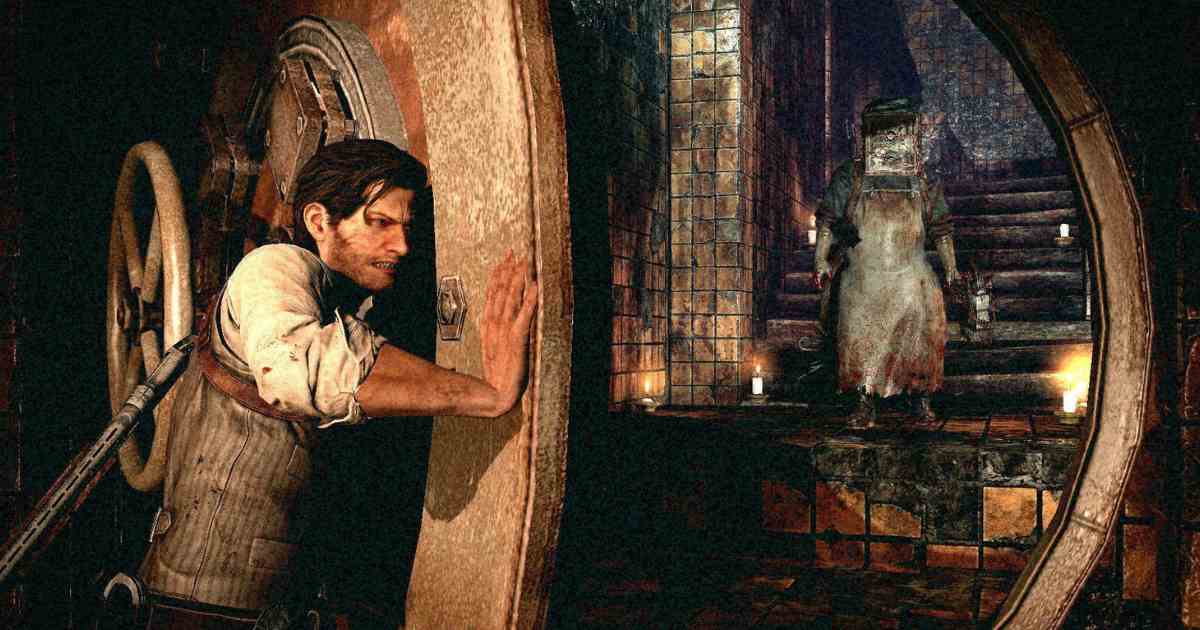
Horror games strongly depend on the atmosphere, and the visual presentation is an essential element that contributes to the development of the atmosphere. Although The Evil Within already had a dark and disturbing look, the latest graphical technology will enable the frightening ambiance to reach a whole new level. Lighting technology like ray tracing may be very helpful in making the game more realistic. The shadows would act more naturally, reflections could be made on wet surfaces, and the source of light, such as lanterns or flickering bulbs, could create dynamic shadows that moved with the gamer. These minor visual effects may help create much more immersive and terrifying environments. A significant improvement could also be made to the character models. The grotesque enemy designs of such monsters that were so memorable in the first game were able to be recreated with much more detail and realism. Any scar, injury, and unnatural movement was always depicted with such frightening accuracy that the contact with such animals was even more frightening. Environmental description might also be extended extensively. Modern environments might incorporate moving objects, realistic weather effects, interactive objects, and moving debris as opposed to the appearance of a fixed background. Darker and more oppressive interiors might be experienced because of rain, fog, and wind, which add some tension to outdoor conditions, and claustrophobic interiors might be seen as darker and more oppressive. Facial animation and character expressions may be considered another important enhancement. Moving scenes in the narrative would be more effective when characters are shown to have real emotions to the atrocities happening to them. The minor movement of the face and the body might express fear, desperation, and determination. These graphical innovations would not merely enhance the visual appearance of the game, but they would also enhance the emotional and psychological intensity of the experience of the horror game.
5. A Remake Could Expand the Story and Character Development
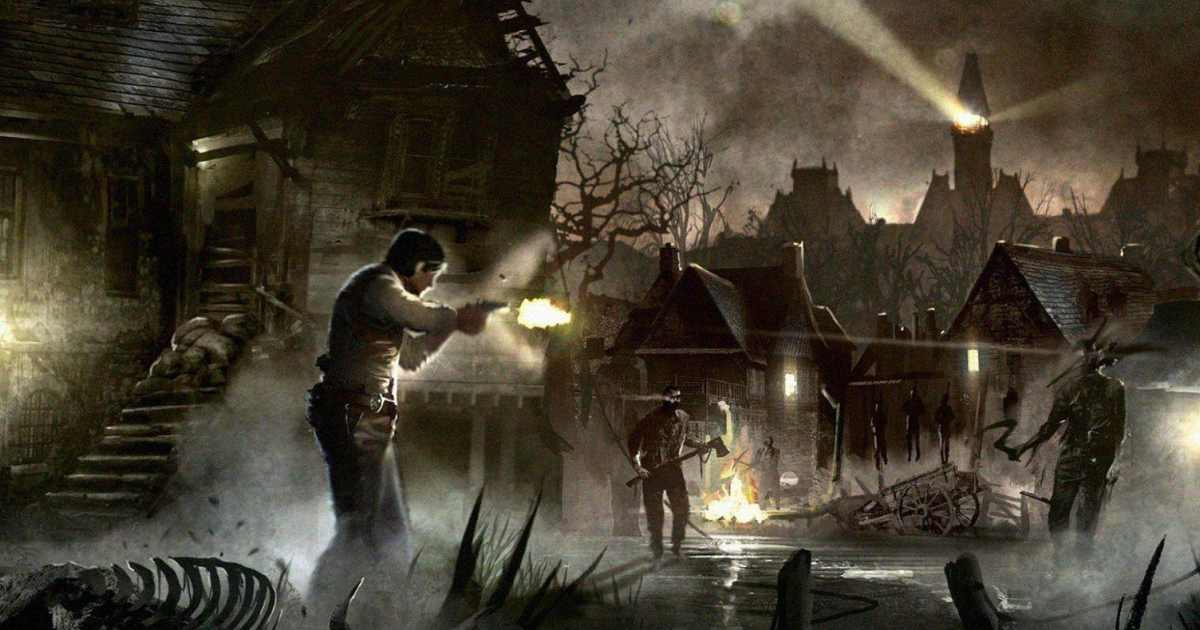
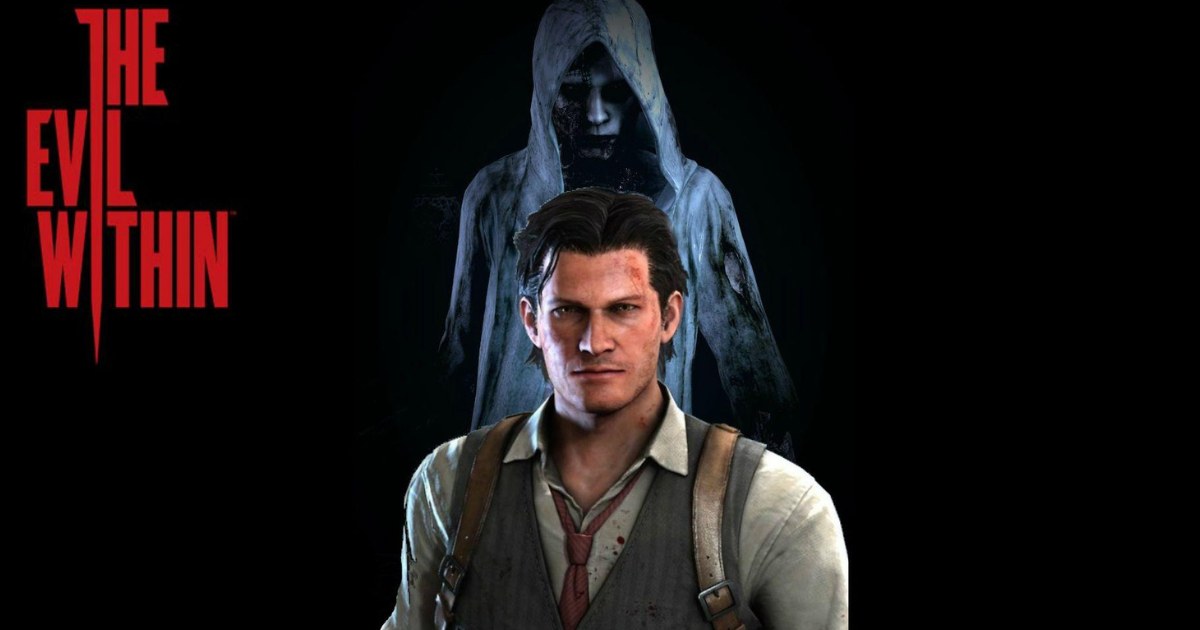
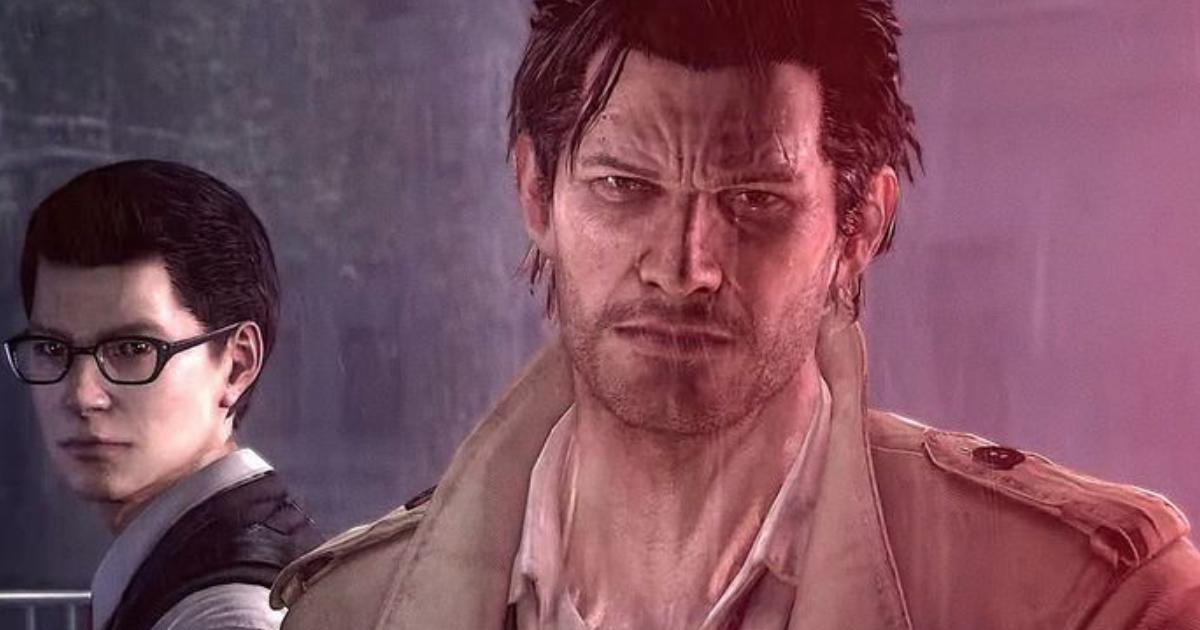
The most interesting thing about the first game was the story of Sebastian Castellanos and the nightmare world that he gets stuck in. The story was a multi-layered and enigmatic plot that dealt with issues of trauma, guilt, and psychological manipulation. Nevertheless, the story was hard to follow at times as it was told in a very disjointed way by many players. Significant plot information would be buried in collectible papers or be distributed around the world, and the result was that some players would fail to pick up certain essential parts of the story. A remake has the potential to elaborate on the story and give it better storytelling without necessarily losing the mysterious air that characterizes the game. There are other cutscenes, character interactions, and dialogue sequences to ensure that the players get to know more about the motivations and emotions of the characters in question. The personal background of Sebastian may also be given more coverage. His grieving, feelings of guilt, and his unwillingness to find the truth may be deeper. Playable memories or flashback sequences might enable the players to relive some of the most important moments in their lives, which would make the player feel closer to their character. The supporting characters might also be more elaborated. The relations between the characters might be developed, and their actions and sacrifices make more sense. Villains might also get more backstory, which allows the players to see how they were twisted into being villains. Through added detail to the story and deeper characterization, a remake might make the story more of an emotionally dramatic experience without sacrificing the psychological mystery, which is so beloved by the fans.
6. Modern Level Design Could Improve Pacing and Exploration
The Evil Within had one of the most interesting level designs through its variety and surrealism. The environments that the players go through in the game are diverse and varied and may include forgotten villages, haunted hospitals, subterranean labs, and dream worlds, all constantly questioning the reality of the player. It is these environments that assisted in developing the psychological horror atmosphere of the game, which allows each new location to be unpredictable and dangerous. But even though these settings were rather creative, sometimes the original game had a pacing and structure problem. Some parts of the game were too linear, whereas others featured abrupt difficulty spikes and may annoy the player. In other instances, the checkpoint system further led to the players having to repeat substantial parts, failing which was disruptive to the experience. A remake would solve these problems by redesigning some aspects to make a more balanced and involved process. The contemporary approach to level design may bring in a more natural mix of exploration, fighting, and narrative elements. Players were not limited to travelling between corridors; instead, they could use semi-open spaces, which would allow them to explore and plan. As an example, bigger settings would enable the players to experience an encounter in various ways. Players can opt to creep through tight streets, lay traps to hunt the enemies, or seek alternative ways to circumvent potentially deadly fights. The given options would provide the players with greater freedom and support the survival factor of the game. Exploration would also become more rewarding. Environmental puzzles, hidden rooms, and secret passages may present useful resources, upgrades, and lore that make the player better understand the world of the game. The environmental storytelling would also be developed, and there would be visual clues in every place to give a hint about the horrible events that happened there. Moreover, better checkpoints and pacing changes would probably do a better job of making the process more equitable without diminishing the tension in the game. A cautious exploration as combat would keep the players on their toes, although feeling insecure and wary as they proceed on their journey into the nightmare.
7. New Sound Design Can Enhance Fear Factor
The Evil Within has one of the strongest weapons of horror, sound, and a remake of the game might be able to make great improvements with the help of modern audio technology. Though the original game already included some creepy music and disturbing noises that could be heard in the background, sound development may transform the experience and make it even more engaging and frightening. Even silence is as powerful in horror games as noise can be. A remake would be able to employ dynamic soundscapes to achieve the effect of utter silence, and then add some disturbing sounds that make the players jump. Subliminal details like far-off footsteps, softly kicking doors, whispering voices or low breathing would ensure that players are always on the edge of their seats. The contemporary spatial audio might be a very important contributor to the immersion as well. In the case of directional sound, the players were able to hear precisely where the sounds were coming, be it behind them, overhead, or in the darkness in front of them. This would make the exploration a lot more interesting since players would always be in suspense trying to hear what is happening nearby and the threats. The sound design of the enemy could be extended too. Every animal might possess its own distinctive sounds that give a clue of their existence before their emergence. Dragging chains, distorted breathing, or unnatural movement were also used to warn the players that danger is coming, and this adds more tension even before the enemy can be seen. Music would also be important in determining the emotional feeling of the game. The remake would have a more energetic musical score, which would respond to the circumstances of the player. The music could be low and ambient when the players are traversing a safe area. However, in case of the entry of enemies or the increase in the level of danger, the soundtrack might change to a more violent and sounding melody. These achievements would make sure that each step players take would be tense and uncertain. The remake can make an experience of horror some of the most nerve-wracking by putting atmospheric music, disturbing ambient noise, and accurate directional sound.
8. The Success of Modern Horror Remakes Shows the Demand
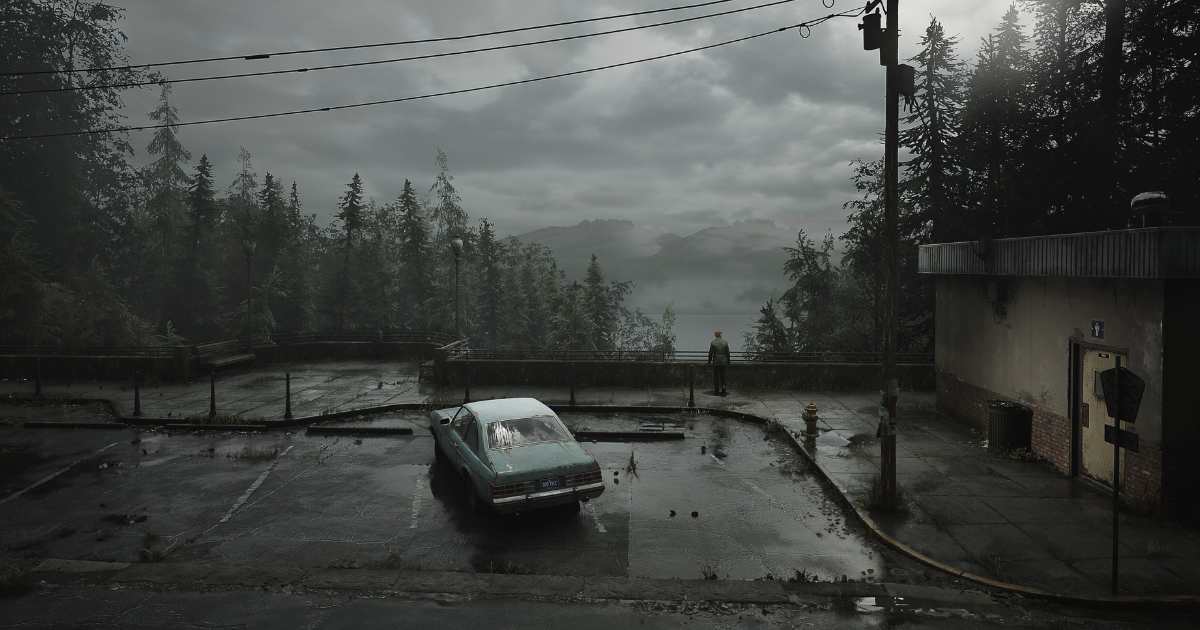
There has been a recent increase in the remaking of old classic horror games in the gaming industry aimed at modern audiences. Remakes like Resident Evil 2, Resident Evil 4, Silent Hill 2, and Dead Space have shown how successful such projects can be if the original material is taken seriously and with care. Such remakes did not just upgrade graphics. The developers redefined the mechanics of the games, amended the plots, enhanced the character growth, and streamlined the controls, yet retained the identity of the original games. Consequently, these titles not only appealed to the long-time fans but also to totally new players who had not played the originals. The demand for high-quality horror remakes is high based on this trend. Gamers like going through familiar experiences, particularly when they are augmented with new technology and design enhancements. In the case of the developers, remakes are also a chance to bring back popular franchises into the market without having to take the risk of developing completely new intellectual property. Due to this trend, The Evil Within is in an ideal situation to enjoy a similar treatment. The game already enjoys a fan base, and its original combination of psychological horror, hard-fought fighting, and uncomfortable imagery would easily be translated into a fresh remake. Moreover, the survival horror genre is still on the rise in popularity, and the players are gaining more interest in darker and more immersive content. The Evil Within remake would be an easy target to be noticed by the returning players, as well as the new ones who are willing to be engaged in the frightening worlds. With the recent horror remakes being that successful, it is obvious that the market is willing to receive another memorable re-invention, and The Evil Within might offer one of the most thrilling proposals.
9. Remake Could Introduce the Game to a New Generation of Players
Though The Evil Within was popularly acclaimed by the horror fans at the time it was initially launched, it may not be familiar to many younger gamers. Since old games may rely on old hardware or their graphics may be aged, or their gameplay mechanisms may be less refined than new games, over time, they may become less accessible. A remake would also enable an entirely new generation of players to explore the frightening world that the original entry broke. Through redesigning the graphics, controls, and mechanics, developers would be able to make the experience more approachable without sacrificing the high survival horror that was characteristic of the original. Contemporary gamers tend to demand cleaner gaming, better user interfaces, and richer storytelling. A remake would be able to match such expectations without losing the tension and the challenge that the game was all about. Revised guides, more difficulty balancing, and better accessibility choices might also make the experience fun to a larger group of players. Furthermore, a remake would create a new buzz in the whole franchise. The remake may also make many of its players curious about its sequel, The Evil Within 2, which introduced new directions to the story and gameplay. This rejuvenated interest may very well be the gateway to further sequels in the show. With modern technology and enhancements in the design of the game, the developers could make sure that the nightmare of The Evil Within will haunt the players even after several years.
10. Reviving the Franchise Could Strengthen the Survival Horror Genre
The survival horror genre has witnessed a resurgence of a mighty force in the last couple of years. The latest releases and remakes have reminded players of the fact that horror games are still one of the most all-encompassing and emotionally charged types of interactive entertainment. Nevertheless, the genre is based on diversity and innovation. Every great horror game brings with it new ideas, themes, and gameplay mechanics, which enable the genre to develop. When released, The Evil Within was one of the games that helped reshape the focus of the survival horror as it was a shocking visual and a psychologically horrific narrative. A remake of the game would bring the genre one more step ahead as it is revived. The combination of survival brutality and unearthly settings with psychological undertones is a bonus that many other elements of the horror genre do not bring to the table. With the changes to these aspects, the developers would be able to produce a new feel that would stand next to other modern horror masterpieces. The success of a remake may also encourage developers to be more experimental with horror. The initial game adopted bizarre and disturbing concepts, frequently bowing in and out of reality and nightmare in a bizarre fashion. The reinterpretation of these ideas using the current design tools may bring even more innovative and frightening experiences in the games. Lastly, the re-launch of the franchise would also help bolster the reputation of Tango Gameworks and bring into focus the long-lasting effect that the creator of the horror genre, Shinji Mikami, had over the decades in shaping the survival horror genre. A remake can be done well to make players remember why survival horror is one of the most effective forms of storytelling in the gaming industry and why the nightmare world of The Evil Within is worth revisiting.
Conclusion:
Over 10 years after its release, The Evil Within is still one of the most exotic and ambitious survival horror games of its time. Its unnerving world, imaginative enemy design, and psychological narratives made the game unique in an oversaturated gaming industry. Nonetheless, the technical restrictions and the problems related to the gameplay of the original game did not help it to achieve its full potential. A contemporary remake would offer an ideal chance to make the experience special and still keep all that made the game a unique one. A remake can turn the original game into an ultimate survival horror game with much better graphics, polished gameplay, more storytelling, and sound design using modern audio. It may usher in the frightening world of Sebastian Castellanos to a new generation of players and provide long-time fans with an opportunity to revisit the nightmare in breathtaking detail. The Evil Within is one of the most worthy games to be remade in this era, when classic horror games are being successfully adjusted to the needs of the modern audience. In case the developers decide to rethink this chilling masterwork, they might remind the players once again why survival horror is one of the most effective and immersive genres in the realm of games.
“Some Nightmares Never Fade; They Only Wait for The Right Moment to Return, Darker, Deeper, and More Terrifying Than Ever.”
Brave enough to explore some of the Best Psychological Horrors ever made? Check out this terrifying Blog, Silent Screams: What Makes Psychological Horror Games Truly Terrifying